La aristocracia impostora pierde el foco en la nueva serie de Netflix
"Grande de España" llega con seis episodios, Antonio de la Torre y Alexandra Jiménez, y una evolución de la comedia de estafadores hacia larán ternura y la melancolía.
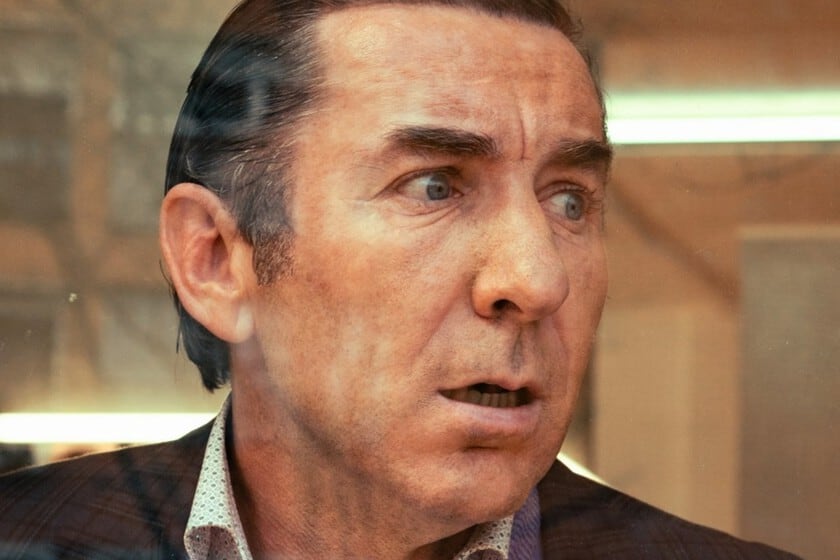
Netflix incorpora una nueva ficción española: "Grande de España", creada por Juan Cavestany y Álvaro Fernández Armero, los mismos responsables de "Vergüenza". Estrenada el 23 de octubre de 2026, la propuesta reúne seis episodios y unavenvuelta historia de aristocracia, engaño y vínculo emocional que se aparta del lugar común del humor formato continuo.
Una comedia que cambia de registro
Antonio de la Torre interpreta a Leandro, un arist practising economic difficulties whose obsession is to obtain the title of Grandee of Spain and make everyone believe that he is in direct contact with the King. Alexandra Jiménezassume o polo oposto of that duo, and the chemistry between both interpreters is one of the most celebrated elements of the proposal, according to the first analyses.
Although the series initially uses satire against the high class, that approach soon moves into the background. The central axis is the relationship between the two protagonists: a mix of scam comedy and romantic comedy that gradually incorporates tenderness and melancholy. The result is an bittersweet story, more difficult to classify than a straightforward comedy.
The short format forces creators to choose what to develop and what to leave barely sketched. Cavestany and Fernández Armero prioritize the relationship between the main characters, and that decision works, although some secondary elements of the environment remain underdeveloped. Enric Benavent completes the cast as Leandro's butler, a character who reinforces the emotional logic of the story from the beginning.
The question then is whether a comedy with only six episodes can build characters worth remembering despite its brevity. The answer seems to depend less on the number of chapters than on the density of the central link and on the risks that the story is willing to take beyond the gag.
Comentarios
0Todavía no hay comentarios. Sé el primero.
Seguí leyendo
'Dexter: Pecado original': El showrunner explica por qué decidieron devolver de la muerte a Dexter

Bubble Bobble Sugar Dungeons: Lanzamiento Confirmado para Noviembre
Grounded 2 llegó a PS5 con mundo submarino y cross-play entre plataformas